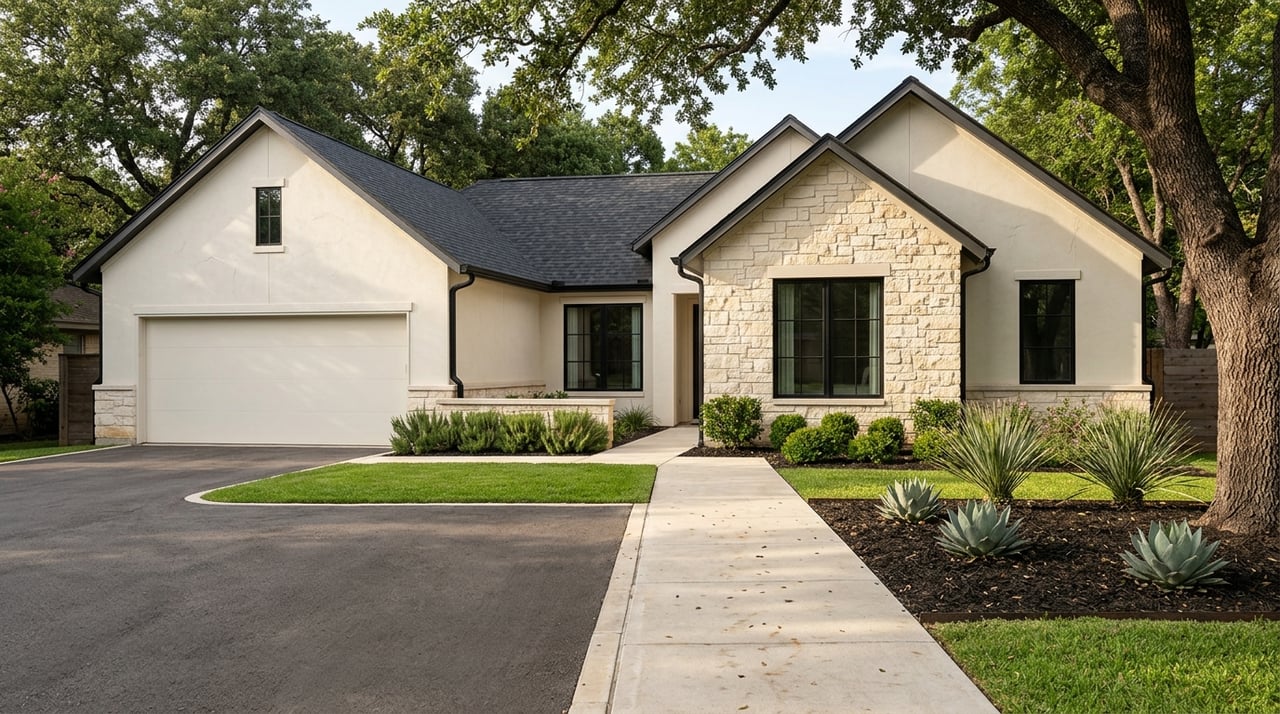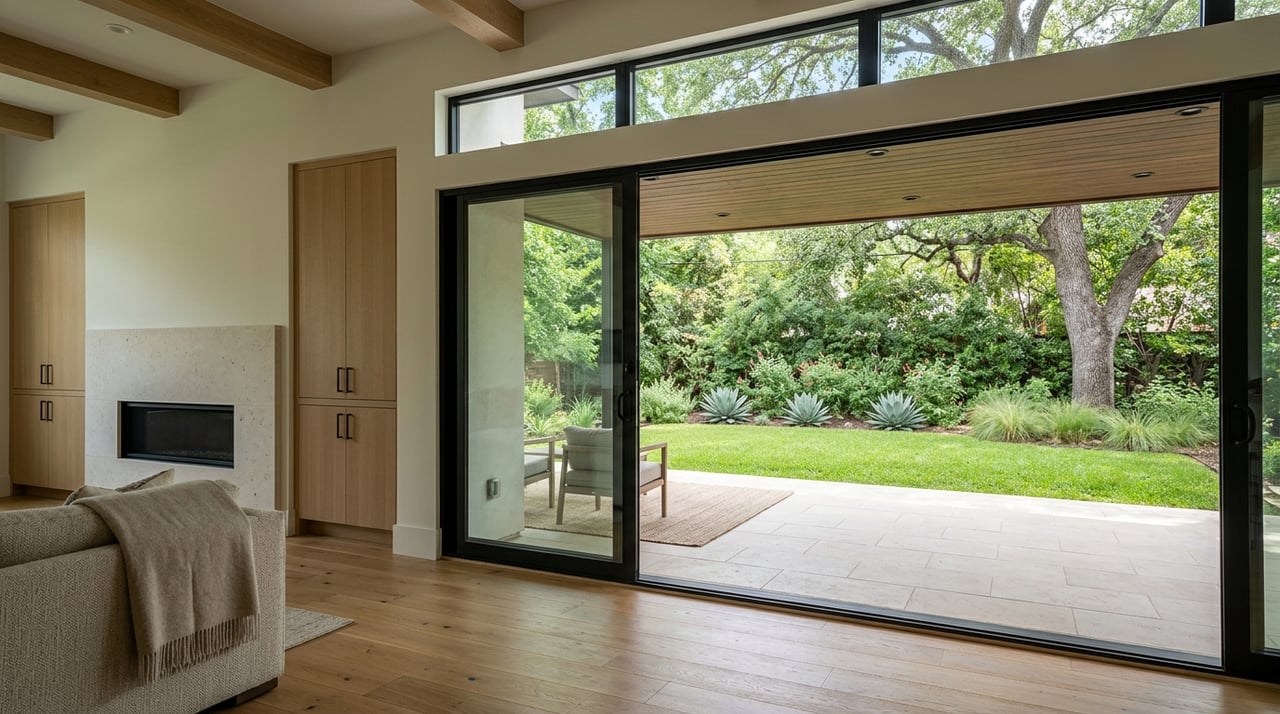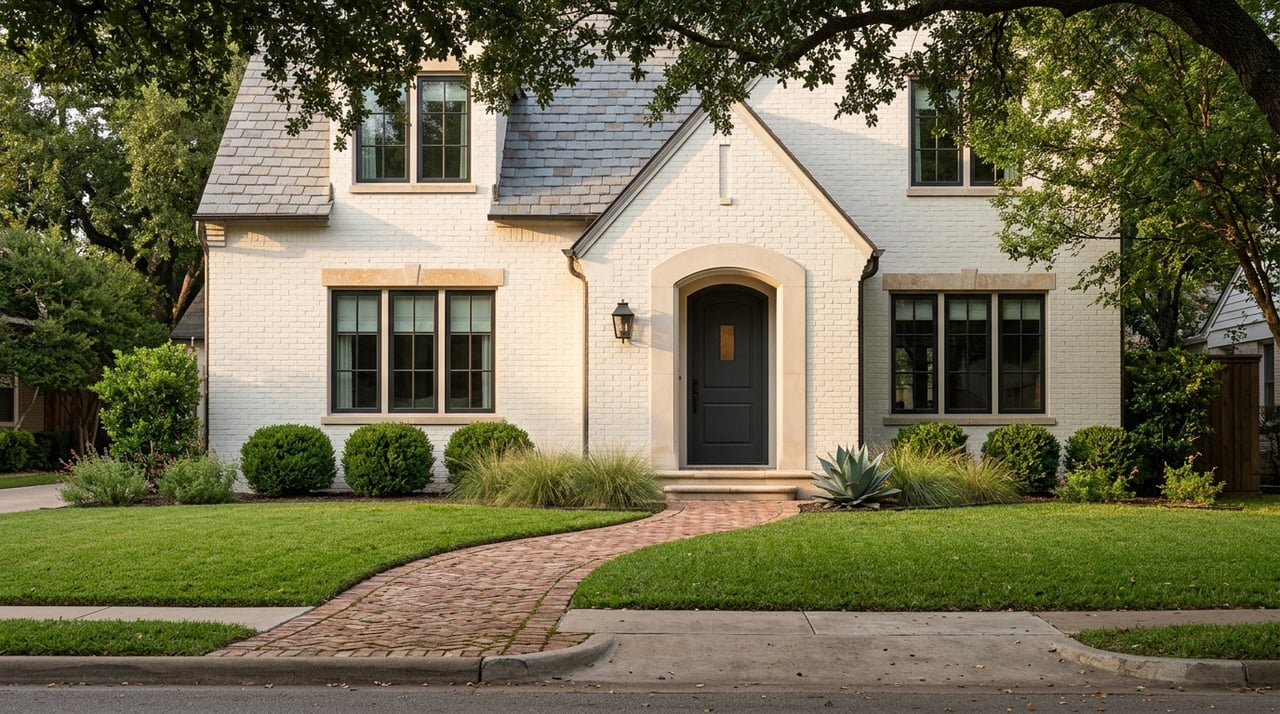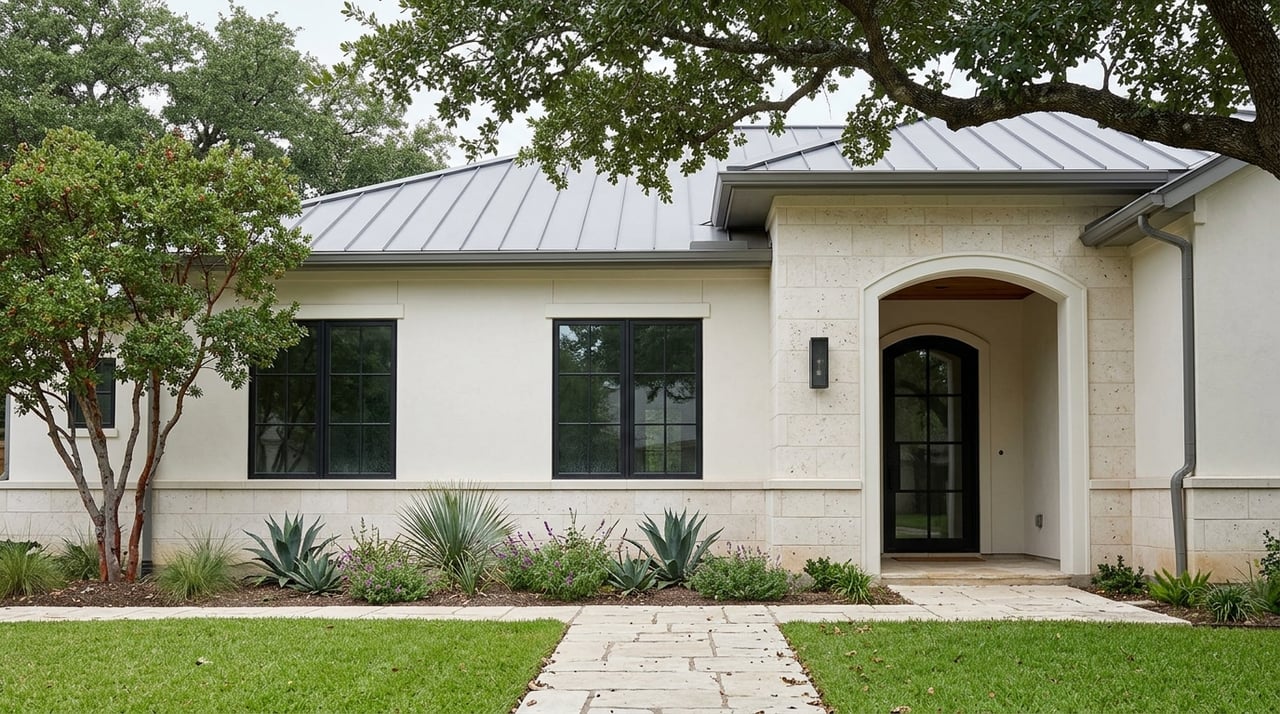
If you own an older home in Zilker or Barton Hills, you have probably asked the big question: should you remodel what you have, or start over with a rebuild? In 78704, that choice is rarely just about finishes or square footage. It is about the lot, the trees, the age of the home, and what Austin will allow you to do. This guide will help you think through the tradeoffs so you can move forward with more clarity. Let’s dive in.
Why this decision is different in 78704
In Zilker and Barton Hills, the land often carries a large share of a property’s value. These are established close-in neighborhoods with older housing stock, mature landscaping, and built-out streetscapes that developed long before today’s newer suburban patterns.
Zilker’s first homes were mostly built in the late 1920s, while Barton Hills was platted in the 1950s across 1,585 planned lots on 535 acres. That history matters because many homes sit on lots with established trees, unique shapes, and site conditions that can heavily influence whether a remodel or rebuild makes sense.
Both neighborhoods also have a strong natural-site identity. Zilker is known for its urban forest, and Barton Hills is closely tied to its hill setting along Barton Creek. In practical terms, that means shade, slope, lot shape, and tree cover can matter just as much as the house itself.
Start with the lot, not the floor plan
It is easy to focus first on what is wrong with your kitchen, layout, or square footage. In Zilker and Barton Hills, though, the smarter starting point is often the lot.
A beautiful, usable site with mature trees may support a strong remodel strategy if the existing structure is workable. On the other hand, if the house is obsolete, the layout cannot be corrected efficiently, or the site can support a better long-term design, a rebuild may deserve a closer look.
Before you choose a path, pay attention to a few lot-level factors:
- Tree locations and trunk sizes
- Slope and drainage patterns
- Existing footprint and setbacks
- Impervious cover limits
- Any deed restrictions or restrictive covenants
- The age of the existing structure
In older 78704 neighborhoods, these details can shape your options as much as the zoning category itself.
When a remodel often makes more sense
A remodel is often the cleaner path when the foundation and structure are sound and the current footprint still works reasonably well. If you like your lot, want to preserve the home’s position on the site, or have protected trees close to the house, remodeling can reduce complexity.
Austin’s review timelines also help explain why many owners start here. The city’s posted review time is 5 business days for interior remodels, compared with 15 business days for new construction or additions. That does not mean every remodel is simple, but it does show that a straightforward remodel usually begins with fewer review hurdles than a rebuild.
A remodel may be especially worth considering if your goals are focused and practical, such as:
- Replacing worn materials
- Improving energy efficiency
- Updating the look and feel of the home
- Preparing the property for sale
- Improving function without changing the full structure
The 2025 NAR/NARI Remodeling Impact Report found that Americans spent an estimated $603 billion on home remodeling in 2024. It also found that some focused projects can offer strong cost recovery, especially when the underlying house is already structurally sound.
When a rebuild may be the better move
Sometimes the house itself is the limiting factor. If a home needs major structural correction, has a layout that cannot be fixed efficiently, or no longer fits the site well, rebuilding can be the cleaner long-term solution.
That is especially true when you want to re-optimize the property after confirming zoning, tree, and demolition requirements. In some cases, a new build can create a more functional floor plan, better indoor-outdoor flow, and a design that makes fuller use of the lot.
Still, a rebuild in Zilker or Barton Hills usually comes with more moving parts. You are not just replacing a house. You are stepping into a process that may involve demolition review, tree review, site constraints, and a broader plan review path.
Austin zoning and permit reality
Austin zoning controls what can be built on a site and where it can go. That includes rules tied to height, setbacks, and impervious cover, all of which can directly affect your decision.
Austin Development Services handles residential plan review for new construction, additions, interior remodels, and demolition for single-family, duplex, and two-family houses. The city’s posted review times are:
- 15 business days for new construction or additions
- 5 business days for interior remodels
- 5 business days for demolition
- About 1 business day for qualifying express permits
These timelines matter because a rebuild usually involves more than one review track. Even before construction begins, you may be dealing with demolition steps, tree protection requirements, and site planning questions.
Austin’s HOME amendments also changed the backdrop for some residential lots. HOME Phase 1 expanded some housing options in single-family zones, and HOME Phase 2 created a small-lot single-family use for lots between 1,800 and 5,750 square feet under specific conditions. Even so, broad policy changes do not override the importance of property-specific review.
In Zilker and Barton Hills, deed restrictions or restrictive covenants may also affect what is possible. That is one reason broad online advice can be misleading. The real answer usually comes down to your specific lot.
Trees can change the whole plan
In 78704, tree rules are often the biggest wildcard. Austin requires permits to remove or impact regulated trees on residential property, including trees that are 19 inches in diameter or larger.
Some trees fall into a higher-protection category. Heritage trees include certain species at 24 inches in diameter or larger, and they can create a much narrower path for redevelopment.
A Tree Ordinance Review Application is required if your project will:
- Remove a tree
- Prune 25% or more of the canopy
- Disturb the critical root zone
The city also requires tree protection and erosion or sedimentation controls to be in place before demolition starts. On lots with mature trees close to the existing house, these requirements can make a teardown harder to execute and make a remodel more appealing.
Demolition is not always simple
Many owners assume demolition is the easy first step in a rebuild. In these neighborhoods, it often is not.
Austin requires pre-demolition inspection and notification to adjacent residential structures for total demolitions and for qualifying partial demolitions that remove more than half of exterior walls. That adds time and process before you even begin building the new home.
There is another important layer for older houses. Residential structures that are 45 years or older require Historic Preservation Office review before demolition. In Zilker and parts of Barton Hills, that is especially relevant because many homes are well beyond that age threshold.
The city also recommends confirming that new construction will be permitted on the site before applying for demolition. That is a key point. A teardown only makes sense if the replacement plan is viable.
Budget and timeline tradeoffs
From a budgeting standpoint, a rebuild usually carries more soft costs. These can include design work, demolition, tree-related planning, utility coordination, and more rounds of review.
A remodel can sometimes preserve enough of the existing structure to reduce complexity and get the home back in service faster. That can matter if you are living in the house, trying to control holding costs, or preparing for a future sale.
On the resale side, not every dollar spent produces the same result. The 2025 NAR/NARI report found strong cost-recovery examples in focused projects such as a new steel front door, closet renovation, and new fiberglass front door. Realtors also most often recommended painting and new roofing before listing.
That does not mean smaller projects always win. It does mean that if the home is fundamentally sound, a targeted remodel can sometimes deliver a more efficient return than a full custom rebuild.
Practical signals to help you choose
If you are weighing both options, these practical signals can help clarify the path.
Signs a remodel may be smarter
- The foundation and structure are sound
- The current footprint works fairly well
- Protected trees are close to the house
- You want faster re-entry and fewer review steps
- The home needs updating more than reinvention
Signs a rebuild may be smarter
- The home needs major structural correction
- The layout is fundamentally limiting
- The house no longer fits your goals or the site well
- You want to re-optimize the property from the ground up
- Zoning, tree, and demolition checks support a new build plan
The best answer is often lot-specific
In Zilker and Barton Hills, there is no one-size-fits-all answer. Two homes on the same street can point to totally different strategies based on tree placement, slope, age, footprint, and what the city will allow.
That is why the strongest decisions usually start with a close reading of the site, not a generic rule of thumb. If the shell, site, and neighborhood character are already working in your favor, a remodel may be the most efficient path. If the structure is obsolete and the lot can support a better outcome, a rebuild may create more long-term value.
If you are trying to decide whether to remodel, rebuild, buy for renovation potential, or position a property for sale in Zilker or Barton Hills, Leah Petri offers thoughtful, neighborhood-specific guidance rooted in real 78704 experience.
FAQs
Should you remodel or rebuild an older home in Zilker?
- A remodel often makes sense when the structure is sound, the footprint works, and mature trees or site constraints make a teardown more difficult.
What tree rules matter for a rebuild in Barton Hills?
- Austin requires permits to remove or impact regulated trees, including trees 19 inches in diameter or larger, and heritage trees have higher protections for certain species at 24 inches or larger.
How long does Austin permit review take for remodels and new builds?
- Austin posts 5 business days for interior remodel review, 15 business days for new construction or additions, and 5 business days for demolition, with qualifying express permits generally issued in about 1 business day.
Do older homes in 78704 face extra demolition review?
- Yes. Residential structures that are 45 years or older require Historic Preservation Office review before demolition.
Can zoning changes affect what you can build in Zilker or Barton Hills?
- Yes. Austin’s HOME amendments expanded some housing options on certain lots, but site rules, deed restrictions, restrictive covenants, and property-specific conditions still matter.
Is a remodel better for resale than a rebuild in 78704?
- Not always, but focused upgrades can offer strong cost recovery when the existing house is structurally sound, while a rebuild may make more sense when the structure or layout is no longer workable.