Wondering whether a historic home in Pemberton Heights is a dream purchase or a project waiting to surprise you? In this part of Central Austin, the answer is often both. If you are drawn to timeless architecture, large lots, and close-in location, it helps to understand how historic status, lot conditions, and renovation rules can shape your purchase from day one. Let’s dive in.
Why Pemberton Heights Feels Different
Pemberton Heights sits within the Old West Austin National Register Historic District, which the Texas Historical Commission lists as a 2003 National Register district in Austin and Travis County. The City of Austin has described Old West Austin as the largest National Register historic district in Texas.
That context matters because you are not just buying a house here. You are often buying into a neighborhood with a long development history, distinctive architecture, and review standards that can affect future changes to the property.
The Pemberton Heights Neighborhood Association describes the area as an established close-in neighborhood with cottages, larger homes, and grand estates. Full-scale development began in the 1920s after the first house was built in the late 1800s, which helps explain why homes can vary so much in age, style, and condition.
What Historic District Status Means
A common point of confusion is the difference between a National Register district and a local historic district. In Austin, National Register status is largely honorific and does not change zoning on its own, but that does not mean you can assume exterior work will be simple.
Austin still requires historic review for covered work on designated historic resources. The city also notes that local historic districts provide stronger protection, so the exact designation of a specific property matters when you are planning updates or evaluating long-term flexibility.
Before you buy, it is smart to confirm whether the home is a landmark, a contributing property, a noncontributing property, or simply located within the National Register district. Austin identifies its Property Profile and Historic Property Viewer as the best starting point for checking current designation status, while noting that some data may not reflect the very latest changes.
Architecture You Will Actually See
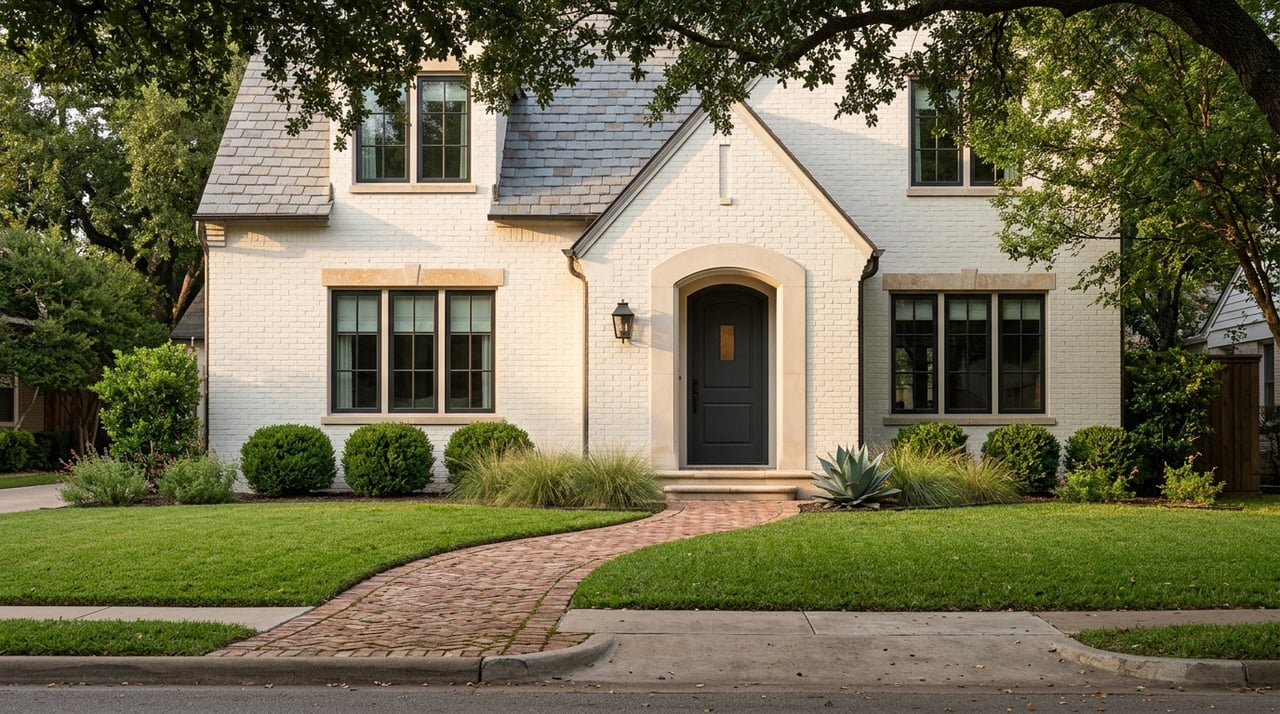
One of Pemberton Heights’ biggest draws is that it does not feel repetitive. The neighborhood association lists Tudor Revival, Colonial Revival, Classical Revival, Spanish Colonial Revival, Italian Renaissance Revival, Craftsman, and Prairie School among the main architectural styles.
The broader district survey also places the area within late-19th- and 20th-century revival and American-movement traditions. In practical terms, that means you should expect variety from block to block rather than one uniform streetscape.
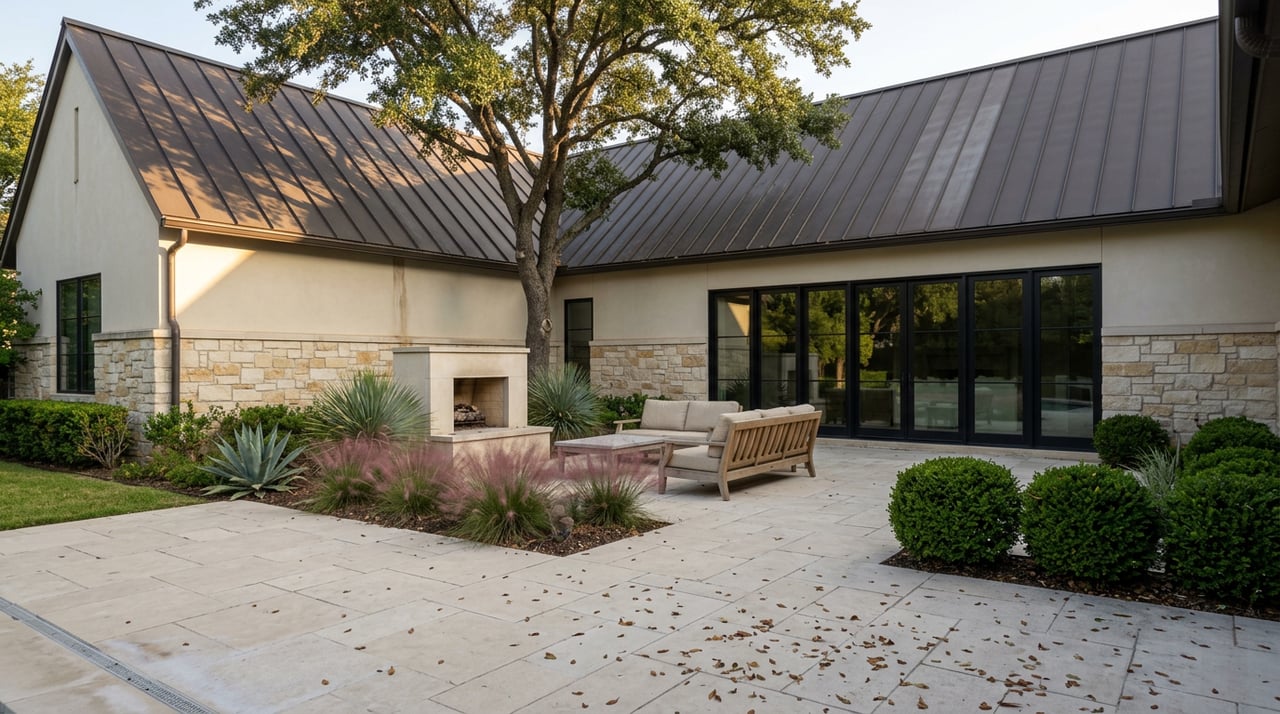
The district survey describes most dwellings as wood-frame homes with exterior materials that may include brick, stone, stucco, synthetic siding, wood, or a mix of these materials. It also points to garages and other outbuildings, limited historic fencing between the house and street, stone curbing or retaining walls, park-like landscaping, and a street pattern that includes both curving and straight segments.
A few notable homes show just how broad the design range can be. The neighborhood association describes Pemberton Castle as Gothic Revival, the Reed Estate as Italian Renaissance, the Keith House as Monterey style, and the Bohn House as Art Moderne.
Why Lot Conditions Matter So Much
In Pemberton Heights, the house is only part of the story. The neighborhood sits on a limestone shelf overlooking Shoal Creek, which makes topography especially important during due diligence.
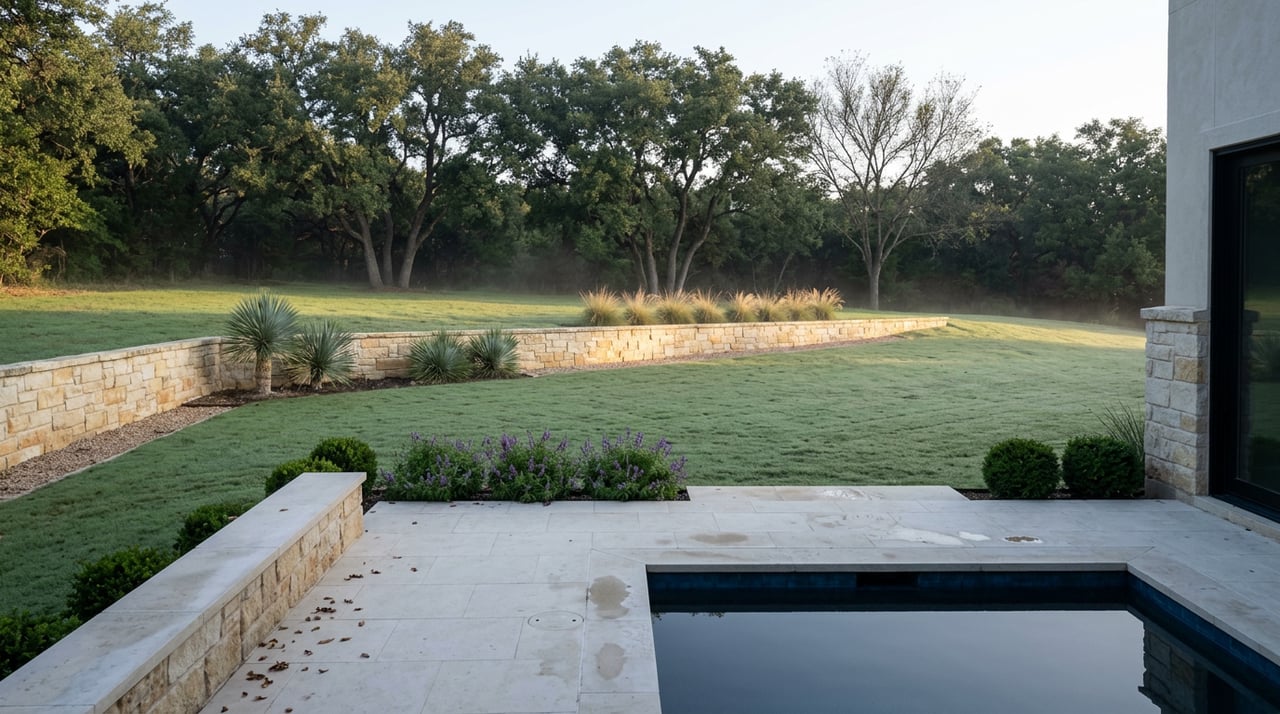
If you are evaluating a property here, pay close attention to slope, drainage, and retaining-wall conditions. These factors can affect renovation cost, long-term maintenance, and how feasible future site improvements may be.
Trees also deserve a close look. Austin regulates protected trees at 19 inches DBH and heritage trees at 24 inches DBH on residential property, and permits are required to remove or impact regulated trees, including certain pruning and root-zone impacts.
For buyers thinking ahead to an addition, pool, or site work, tree constraints can become a major part of the planning process. City review can also include drainage and floodplain review, environmental review, erosion control, grading on slopes, and heritage-tree protection.
Renovation Potential Can Add Value
Because the district’s period of significance runs from 1850 to 1974, with much of Pemberton Heights developed from the 1920s through the 1940s, many homes may need updates to building systems or exterior components. That is not a city rule, but it is a practical budgeting consideration based on the age of the housing stock.
Common project types include rear additions, kitchen and bath reconfiguration, HVAC, plumbing, and electrical modernization, window and exterior-material repair, and site work related to drainage or tree preservation. If you love historic homes but want modern living, these are often the projects that help bridge the gap.
Austin’s review guidelines emphasize preserving original qualities, repairing historic materials when possible, and making additions compatible in size, scale, color, material, and character. The guidelines also note that protective or code-required mechanical systems should be concealed whenever possible.
From a buyer’s perspective, that means renovation potential is not just about square footage. A home with intact character-defining features and a realistic rear expansion path may be easier to improve than one that has already been heavily altered in ways that complicate future approvals.
What Work May Need Review
If you are considering changes after closing, it helps to know that Austin requires historic-review applications for exterior alterations, additions, permanent site work, signs, and stand-alone new construction on historic landmarks, historic districts, and National Register districts. The city also states that no building permit in a National Register historic district is released until review is complete.
No work may begin until the necessary permits are in hand. That timeline should be part of your planning if you intend to renovate soon after purchase.
Some minor projects may be approved without Historic Landmark Commission review. Austin notes that this can include one-story rear additions under 600 square feet, two-story rear additions to two-story homes, fences, walls, pools, and the demolition of certain non-contributing buildings, carports, and outbuildings.
More substantial work goes to the Historic Landmark Commission. For buyers, the key takeaway is simple: never assume your planned project is straightforward until you have verified the property’s status and reviewed the city’s requirements.
Your Due Diligence Checklist
When you are buying a historic home in Pemberton Heights, due diligence should go beyond a standard showing and inspection. You want to understand not only the property’s current condition, but also what the city and the site may allow over time.
A solid pre-purchase checklist includes:
- Confirm the property’s designation status in Austin’s Property Profile or Historic Property Viewer
- Check whether the house is a landmark, contributing, noncontributing, or simply located within the district
- Collect permit history and prior renovation documentation
- Review the survey and title commitment carefully
- Look for any surviving covenants or deed restrictions that could affect additions or exterior changes
- Assess slope, drainage, retaining walls, and site grading
- Identify regulated trees and any likely tree-related constraints
- Consider whether the home’s existing massing and historic materials support your renovation goals
This kind of groundwork can help you avoid buying a home with plans that look good on paper but are difficult to execute in practice.
Financial Incentives to Ask About
Historic homes can come with preservation-related financial benefits, but eligibility is highly specific to the property and project. If incentives are part of your decision, it is worth confirming them early rather than assuming they apply.
The Texas Historical Commission states that for income-producing or nonprofit historic buildings, the state program offers a 25% tax credit. The National Park Service states that the federal program offers a 20% credit for rehabilitation of historic income-producing buildings, while owner-occupied residences do not qualify for the federal rehabilitation tax credit.
At the local level, the City of Austin says that rehabilitating a contributing property in a historic district can qualify for a city tax abatement. The city also states that the City of Austin, Travis County, and AISD offer an annual tax exemption to owners of historic landmarks.
For many buyers in Pemberton Heights, though, the bigger value question is broader than incentives alone. Price often reflects not just location and architecture, but also how well the home has preserved its original fabric, how feasible future additions may be under Austin review, and whether the lot supports the next chapter of ownership.
How to Buy More Confidently
If you are serious about buying in Pemberton Heights, the best approach is equal parts appreciation and discipline. Historic homes here can offer architectural character and long-term appeal that are hard to replicate, but they reward buyers who do their homework before they fall in love with a floor plan.
That means looking closely at designation status, permit history, trees, drainage, and expansion potential, not just finishes and curb appeal. When you understand those moving parts early, you can make a more confident decision about value, timing, and what it will take to make the home your own.
If you are exploring Pemberton Heights and want thoughtful guidance on property selection, renovation potential, and the details that matter block by block, Leah Petri can help you navigate the process with local insight and white-glove care.
FAQs
What makes buying a historic home in Pemberton Heights different?
- Pemberton Heights is within the Old West Austin National Register Historic District, so a home’s designation status, review requirements, lot conditions, and preservation considerations can all affect future changes and long-term value.
How can you check historic status for a Pemberton Heights home?
- Austin says its Property Profile and Historic Property Viewer are the best starting point for confirming whether a property is a landmark, contributing property, noncontributing property, or simply located within the district.
What architectural styles are common in Pemberton Heights?
- Buyers may see Tudor Revival, Colonial Revival, Classical Revival, Spanish Colonial Revival, Italian Renaissance Revival, Craftsman, and Prairie School, along with other revival and American-movement influences.
Do renovations in Pemberton Heights require city review?
- Austin requires historic review for covered work such as exterior alterations, additions, permanent site work, signs, and stand-alone new construction on properties in historic landmarks, historic districts, and National Register districts.
What site issues should buyers watch in Pemberton Heights?
- Buyers should pay close attention to slope, drainage, retaining walls, regulated trees, and related site-review factors because the neighborhood sits on a limestone shelf overlooking Shoal Creek.
Are there tax benefits for historic properties in Pemberton Heights?
- Some preservation-related incentives may apply depending on the property and project, including certain state, local, or landmark-related benefits, but eligibility is specific and should be verified early in the process.