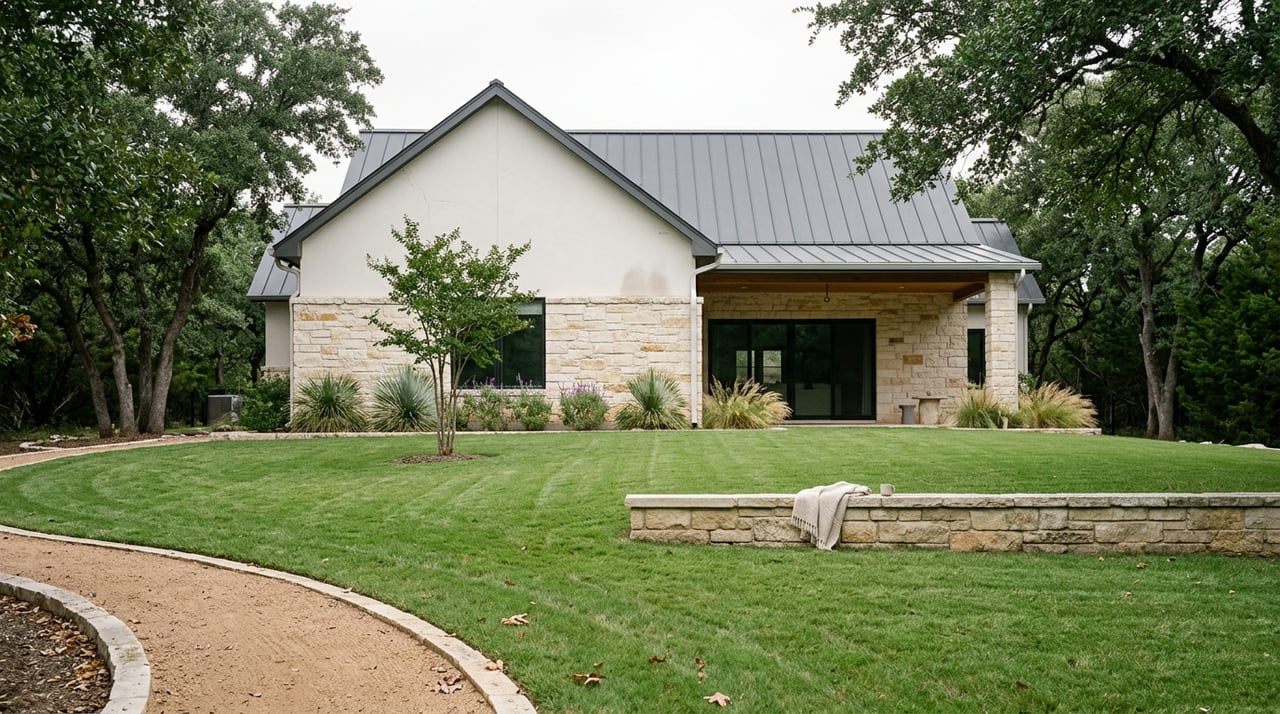
Wondering whether a Westlake Hills property is the right candidate for a remodel, a major addition, or a full rebuild? In 78746, that decision can carry real financial weight because home values are high, inventory is tight, and site constraints can change what is actually possible on a lot. If you are thinking about buying, holding, or improving a property here, understanding the rules early can save you time, money, and unnecessary surprises. Let’s dive in.
Start With Jurisdiction First
One of the most important first steps in 78746 is confirming which jurisdiction controls the property. That ZIP code includes both West Lake Hills and Austin addresses, and the rules are not the same. West Lake Hills directs property owners to verify city limits through Austin’s jurisdiction map, and some properties in the ETJ may also involve Travis County WC&ID #10 and ESD #9 requirements.
That matters because a project inside West Lake Hills will follow West Lake Hills development standards, while a property inside Austin city limits will be reviewed under Austin’s Land Development Code. Before you start sketching plans or comparing contractor bids, you want to know exactly which rulebook applies.
Know the Build Envelope
In West Lake Hills, what you can build is shaped by more than just lot size. Setbacks, height limits, impervious cover, corridor restrictions, and slope all work together to define the buildable area. A lot may look large on paper but still have a surprisingly tight envelope once those rules are applied.
For single-family lots of 0.5 acre or larger in the listed residential districts, West Lake Hills shows 50-foot front setbacks, 30-foot rear setbacks, 25-foot side setbacks, and 25% maximum impervious cover. Height is capped at 30 feet in R-1 and R-3 and 25 feet in R-2. Smaller lots may follow different standards, and some may allow higher impervious cover if connected to city wastewater.
Corridor setbacks can change the plan
Some roads have stricter setback requirements that can materially affect a rebuild. Along Bee Cave Road, the minimum setback is 50 feet. Along Capital of Texas Highway, the minimum setback is 75 feet.
If you are evaluating a teardown or major addition, those corridor rules can shrink the usable footprint faster than many buyers expect. This is one reason lot-by-lot due diligence matters so much in Westlake Hills.
Austin-side properties follow different rules
If the property is within Austin city limits, Austin’s residential code controls setbacks, height, building coverage, impervious cover, and related site rules. Austin also notes that required setbacks are intended to remain open to the sky, with only limited encroachments allowed. Mechanical units and pool equipment are allowed in required yard setbacks.
That distinction is especially important if you are comparing two homes in the same ZIP code. They may feel similar in the market, but the development path can be very different depending on the address.
Slope Is a Major Design Factor
In West Lake Hills, topography is not a side issue. It can directly affect height, placement, driveways, drainage, and even whether a lot supports your ideal plan. Many buyers focus first on square footage potential, but slope often deserves equal attention.
West Lake Hills states that when the average natural slope under a principal structure is 25% or greater, no part of the structure may rise more than 32 feet above natural grade. In subdivision rules, at least 50% of a lot must be on land with a natural slope under 30%, and driveway locations should be on slopes under 25%.
For a homeowner, this means the lot’s contours can shape the architecture from day one. A design that works beautifully on a flatter site may need major revisions on a steeper parcel.
Trees, Drainage, and Site Planning Matter Early
Mature trees and drainage planning can affect both budget and timing. In a market where homes often sit on scenic, heavily landscaped lots, these factors are not just technical details. They are core parts of the planning process.
West Lake Hills requires topographic maps, tree surveys, and drainage or flood information when plats are reviewed. The city also states that all construction projects are subject to stormwater management, and a revised Drainage and Erosion Control Design Manual applies to projects submitted for review beginning May 18, 2026.
The city’s fee schedule also includes tree application and tree inspection items, along with tree removal and replacement categories for non-diseased trees. That means tree retention is not only a design issue. It can also affect your permitting path and project costs.
Austin tree rules are different
If the property is in Austin city limits, tree rules differ. On residential property, Austin says trees under 19 inches DBH are not regulated, while protected trees are 19 inches or larger and heritage trees are 24 inches or larger for certain species. A Tree Ordinance Review Application is required if the project removes a regulated tree, prunes 25% or more of the canopy, or disturbs the critical root zone.
For buyers considering a remodel or rebuild, this is another reason not to assume that all 78746 properties follow the same process. Site planning should reflect the actual jurisdiction from the start.
Views Are Usually a Site-Planning Question
Many Westlake Hills buyers are drawn to light, elevation, and long views. But preserving those views is often less about one dramatic design move and more about working within the allowed envelope. Height limits, slope rules, setbacks, and tree preservation all play a role.
In practical terms, a lot with great potential may still require tradeoffs between interior square footage, outdoor living, and sightlines. If view preservation is one of your top priorities, it should be part of the earliest feasibility conversation.
Permit Timing Can Stretch Longer Than Expected
Timeline planning is just as important as design planning. In West Lake Hills, the city notes that larger reconstruction or new construction permits can take a few months or longer, and a variance can add another two to three months or more. Once an application is administratively complete, the first round of comments can take up to four weeks.
West Lake Hills also says residential remodel, addition, and new construction applicants should confirm whether a pre-application meeting is needed. Small interior-only projects typically do not require one, and applications must be submitted through MGO Connect.
If the property is in Austin, the review timeline may be shorter for some residential work. Austin lists 15 business days for new construction and additions and 5 business days for interior remodels, though updates can extend the process.
Variances add complexity
If a project in West Lake Hills needs a variance, it is routed through ZAPCO and, depending on the issue, either City Council or the Board of Adjustment. Applications are due about 40 days before ZAPCO. That extra layer can be worth it for the right property, but it should be built into your schedule and expectations.
Budget Beyond Construction Costs
One of the most common planning mistakes is focusing only on builder pricing. In West Lake Hills, soft costs can add up quickly. Municipal fees, drainage review, wastewater-related work, tree-related items, and longer review timelines all belong in your budget.
The city’s fee schedule includes separate fees for remodels, additions, variances, site plans, drainage review, wastewater work, and tree-related items. That means your total project cost may be meaningfully higher than the contractor bid alone. A stronger budget usually includes permitting costs, engineering, tree work, and timing contingency.
Remodel or Rebuild?
This is often the central question, especially in a high-value market like 78746. National cost-versus-value data shows that upscale projects do not always recoup what owners expect. In the 2025 Cost vs Value report from Zonda/JLC, a major upscale kitchen remodel recouped about 36% of cost, an upscale bathroom addition about 36%, and a primary suite addition about 18%.
At the same time, 78746 and West Lake Hills are high-dollar markets. Zillow reports an average home value of $1,724,921 in 78746 and $2,096,575 in West Lake Hills, while Redfin reported a West Lake Hills median sale price of $2.7 million in March 2026. In this price range, even modest percentage shifts in value can translate into large dollar differences, which is why local comparable sales tend to matter more than generic ROI tables.
A practical way to think about the decision is this: remodel when the existing house is fundamentally sound and your goals can fit within the lot’s constraints. Rebuild when the lot supports your target outcome but the current structure would require too many compromises to get there.
What Buyers Should Evaluate Before Closing
If you are buying with future construction in mind, it helps to investigate feasibility before you close. In Westlake Hills, a beautiful lot can still come with meaningful design limits. The more clarity you have up front, the better your purchase decision will be.
A smart early checklist may include:
- Confirm whether the property is in West Lake Hills or Austin city limits
- Review setbacks, height limits, and impervious cover
- Check for corridor-specific setback rules
- Evaluate slope and driveway feasibility
- Identify tree and drainage constraints
- Ask whether a variance may be needed
- Build in permit timing and soft-cost contingency
These steps can help you compare properties more accurately, especially if you are deciding between remodeling one home and rebuilding on another.
Why Local Guidance Matters in Westlake Hills
Westlake Hills is not a one-size-fits-all market. Two nearby properties can have very different development potential based on jurisdiction, topography, and code details. In a neighborhood where lot quality and long-term value matter so much, a careful front-end review can shape a much better outcome.
If you are weighing a remodel, teardown, or purchase in 78746, it helps to have local insight that goes beyond the listing photos. Leah combines deep Westlake market knowledge with practical renovation perspective, helping clients think through not just what looks appealing today, but what is realistically possible over time. When you are ready to explore your options, connect with Leah Petri.
FAQs
What should you verify first before building in Westlake Hills?
- You should confirm the property’s jurisdiction first, because 78746 includes both West Lake Hills and Austin addresses, and each follows different development rules.
What are common setback rules in West Lake Hills for larger single-family lots?
- For single-family lots of 0.5 acre or larger in the listed residential districts, West Lake Hills shows 50-foot front setbacks, 30-foot rear setbacks, and 25-foot side setbacks, along with 25% maximum impervious cover.
How does slope affect a remodel or rebuild in West Lake Hills?
- Slope can limit structure height, influence driveway placement, and affect whether your desired design fits the site, especially when the average natural slope under a principal structure is 25% or greater.
Do tree rules differ between West Lake Hills and Austin properties?
- Yes. Austin has its own residential tree regulations, including protected and heritage tree thresholds, while West Lake Hills has separate tree-related review and fee requirements.
How long can permitting take for a West Lake Hills construction project?
- West Lake Hills says larger reconstruction or new construction permits can take a few months or longer, and projects needing a variance may take an additional two to three months or more.
Is remodeling always better than rebuilding in 78746?
- Not always. A remodel may make sense when the existing house is fundamentally sound and your goals fit within the lot’s constraints, while a rebuild may be the better path when the lot works but the current structure requires too many compromises.