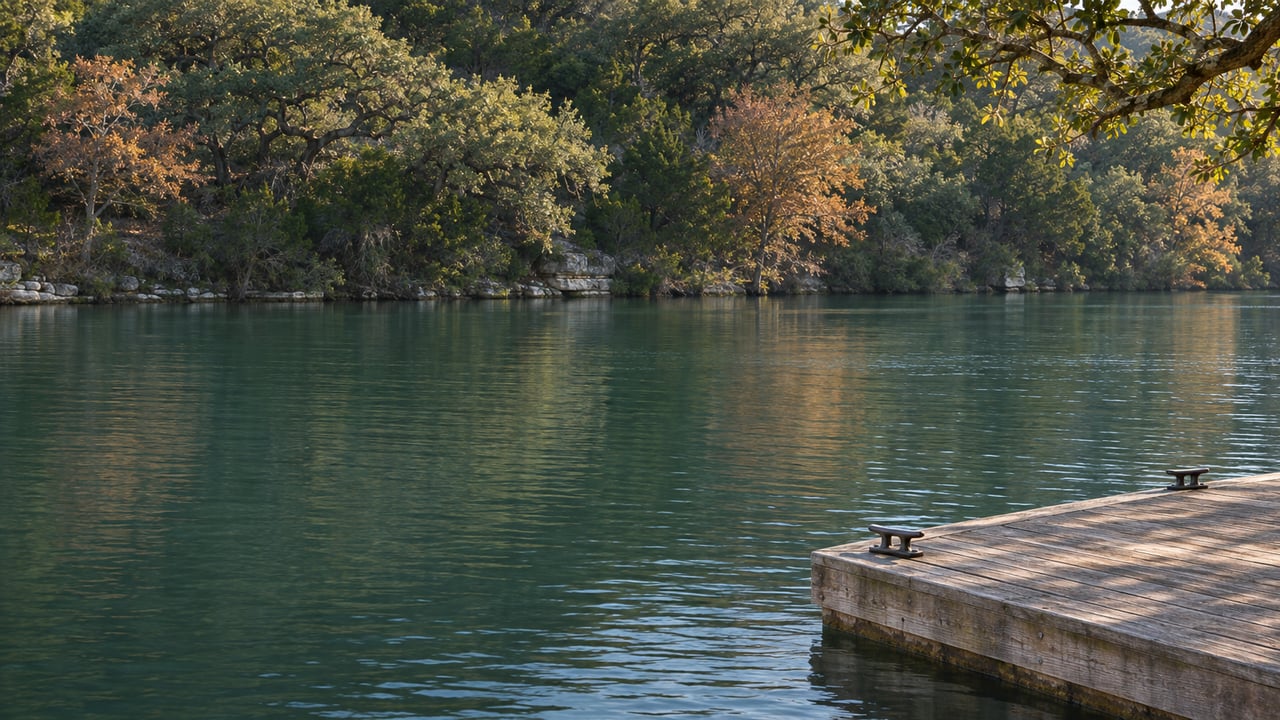
This week, Lake Austin was supposed to sit about ten feet below its normal level. The City of Austin and LCRA had scheduled a drawdown from October 12 through November 30, 2026, between Mansfield Dam and Tom Miller Dam. It would have exposed docks, bulkheads and boat slips for repairs and given crews room to remove sediment and debris. Instead, the water under the Pennybacker Bridge is at its usual level, and Mozart's lights go on Saturday, November 21.
The City canceled the drawdown on September 24. Its explanation means drawdowns now have to compete with the lake's busiest season. Winter used to be the season for lowering Lake Austin, and LCRA no longer does that. Any future drawdown has to fit into the months when the lake is busiest, and this fall that schedule lost.
Why January Was Never on the Table
When the City asked stakeholders about timing, they suggested January and February 2027. That would have repeated the most recent Lake Austin drawdown, which also ran in January and February 2017. The City's cancellation notice explains why that couldn't happen. After Winter Storm Uri in 2021, LCRA stopped lowering lakes in winter so the hydroelectric generators on the Highland Lakes dams stay available to the Texas power grid in cold weather.
That rule shrinks the calendar. A drawdown can't happen in winter, and fall is booked. In the same release, the City said stakeholders had raised concerns about the fall wedding season, University of Texas football games and Formula 1. The City concluded that going ahead "would not provide the appropriate balance" between the maintenance benefits and the effect on the community around the lake.
Assistant City Manager Mike Rogers said in the release that staff "will continue evaluating economic, operational, environmental and community considerations associated with potential future drawdowns." LCRA's lake lowerings page sets the next decision point. It plans no pass-through lake lowerings in 2026 and will decide about 2027 in late summer 2027, depending on conditions.
Lake Austin last went down in early 2017. With winter off the table and fall this crowded, a full lake in December is now the normal state of things.
The Season That Won the Argument
The stakeholders argued for keeping the lake usable through fall and the holidays, and that season opens on Friday, November 20. If the drawdown had gone ahead, it would have run until November 30, so the start of the lights season would have fallen on a lowered lake.
| Dates | What's on the water | Where |
|---|---|---|
| Nov. 20, 2026 to Jan. 3, 2027 | Lake Austin Lights, 45-minute captained holiday cruises with floating light tunnels and a group of lit boats | Departs from Hula Hut |
| Nov. 21, 2026 to Jan. 3, 2027 | Mozart's 16th annual Festival of Lights, synchronized shows from 6 p.m. until 9 or 10 p.m. nightly | Mozart's Coffee Roasters |
| Through Jan. 15, 2027 | Water utilities shut off for maintenance, portable toilets provided | Emma Long Metropolitan Park |
Lake Austin Lights nights and departure times vary through the season. The Mozart's Festival of Lights runs every night of its six-week stretch.
The restaurants on the water have also posted their hours. Ski Shores Waterfront Cafe is open 11 a.m. to 8 p.m. on weekdays and 9 a.m. to 8 p.m. on weekends. It takes walk-ins and says boat slips and parking are limited. Hula Hut is open until 10 p.m. Monday through Thursday, until 11 p.m. on Friday and Saturday, and from 10:30 a.m. on Sunday. Quince Lakehouse serves dinner only on Monday and Tuesday, lunch and dinner Wednesday through Friday, and brunch and dinner on weekends. It closes at 10 p.m. except Sunday, when it closes at 9. Paddlers should check the season before planning a trip. Peace Paddling lists its rentals as closed December 1 through March 1, and reservations are required.
What Does the Drawdown's Work Instead
Drawdowns have always had a second purpose. The fall 2026 plan included possible temporary management of nuisance vegetation, and KXAN reported that the 2017 drawdown was meant to help control hydrilla and Eurasian watermilfoil and to allow maintenance on docks and retaining walls. With no lowering on the schedule, that job goes mostly to fish.
On October 29, Austin Watershed Protection released 7,091 sterile grass carp into Lake Austin. They went in near Jessica Hollis Park, Walsh Boat Ramp and Bull Creek, the areas with the most hydrilla. According to the City's announcement, grass carp prefer hydrilla to other plants. The goal is to thin the dense growth while leaving enough plants for a healthy lake. A new model built on 15 years of Lake Austin data produced the stocking number, and the City plans to adjust after each vegetation survey.
Texas Parks and Wildlife surveyed the lake in September. The City's Lake Austin page reports these findings:
- Hydrilla: 575 acres, about the same as in June, though where it grows has shifted.
- Eurasian watermilfoil: 99 acres, up from 76.
- Bull Creek: nearly covered in hydrilla, with a cut channel that boats can still use.
- Bee Creek Cove near Tom Miller Dam: hydrilla at the surface across the whole cove, covering more area than a year earlier.
- Commons Ford to Emma Long: much less hydrilla in this middle stretch, with patches of watermilfoil along parts of the banks.
The same page says the modest floodgate release from Mansfield Dam in July did not significantly reduce hydrilla coverage. As of the City's October 6 update, blue-green algae was still present at most monitoring sites on Lake Austin and Lady Bird Lake, including Jessica Hollis Park and Walsh Boat Landing. Levels were lower than earlier in the summer, and the City advises avoiding contact with algae. For anyone launching a paddleboard in the coves or bringing a dog to the shore this season, the full lake still carries its summer advisories.
Ramps, Fees and the Notice That Didn't Change
The City's Parks closures page still lists boat ramp and swimming closures at Emma Long and Commons Ford Ranch for October 12 through November 30. Those entries are dated August 20, and they describe the drawdown the City canceled on September 24. If you plan to trailer a boat to either park before the end of the month, call Austin Parks and Recreation first.
The standing rules at the three public access points nearest the west side of the lake:
- Walsh Boat Landing charges a $10 launch fee, paid by card at the parking lot kiosks.
- Emma Long Metropolitan Park is open year-round from 7 a.m. to 10 p.m. Entry is $5 per vehicle Monday through Thursday and $10 on Fridays, weekends and holidays. Weekend and holiday visits need a day pass reserved in advance, available up to 14 days ahead and until midnight the night before if they haven't sold out.
- Commons Ford Ranch Metropolitan Park has a boat dock, according to its City page.
Emma Long's water shutoff is unrelated to the drawdown and continues through January 15. The park page warns visitors about construction disruption.
For Shoreline Owners Who Planned Around October
The drawdown was the window lakefront owners had been offered for dock, bulkhead and boat slip maintenance with the water out of the way. The canceled plan noted that some dock and bulkhead repairs and lakebed sediment removal would still need permits. LCRA's late-summer 2027 decision is the next scheduled answer on whether the water will go down at all.
If you own property on Lake Austin, or are weighing a home with a dock you might want to repair or rebuild, the timing of that work now affects how you plan. The Petri Group keeps track of how Lake Austin is managed, along with the homes in Rob Roy above it. Receive Exclusive Listings in Your Inbox, and we'll share the next LCRA decision when it's announced.