Do you notice rooflines and chimneys before you check the kitchen? If so, Pemberton Heights will speak your language. You want a neighborhood with real architectural character and a plan for honoring it as you buy, sell, or renovate. In this guide, you’ll learn how the area took shape, what styles define its streets, and how to approach updates with care. Let’s dive in.
Pemberton Heights at a glance
Pemberton Heights is a centrally located Austin neighborhood shaped by early to mid‑20th‑century development patterns. The area reflects Austin’s streetcar-era growth and later suburban expansion just northwest of downtown. Many original homes, setbacks, and mature trees trace to the early 1900s through the 1940s, which still frame today’s streetscapes.
Construction continued steadily through the mid-century, bringing Minimal Traditional and Ranch houses onto select blocks. In recent decades, you will see careful restorations, thoughtful additions, and some larger infill construction. The result is a layered neighborhood that balances modernization with preservation-minded preferences.
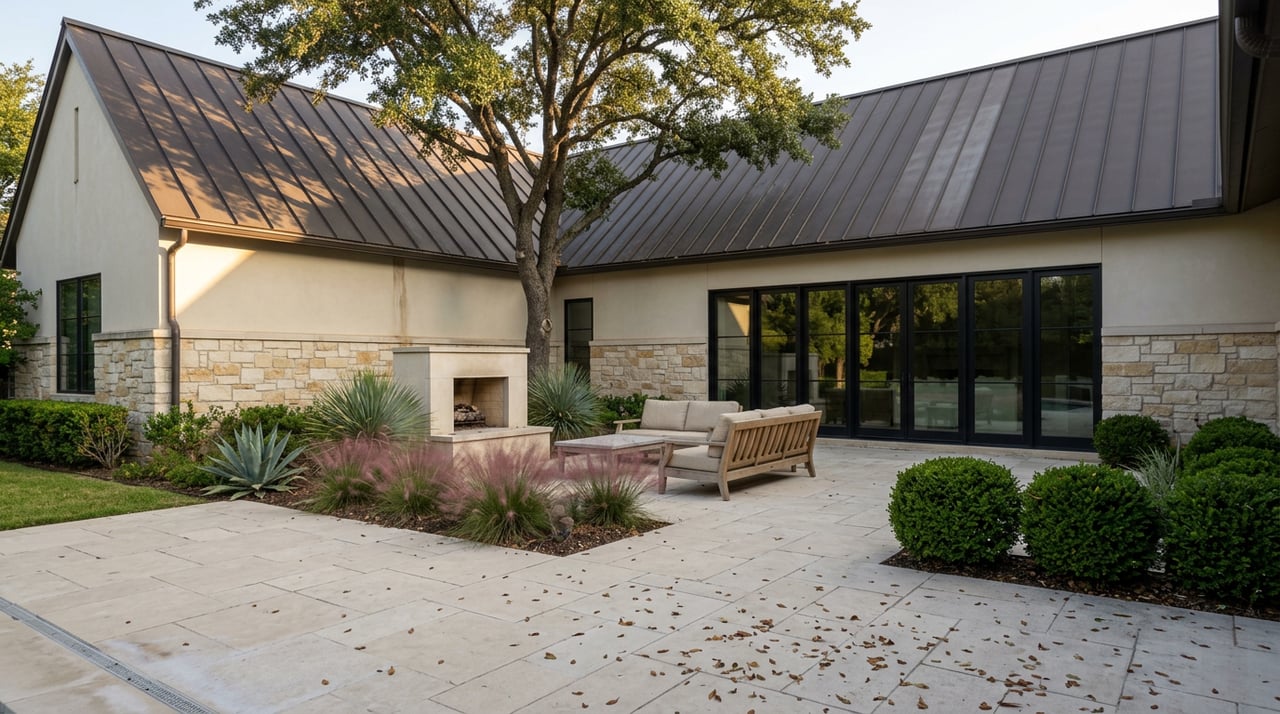
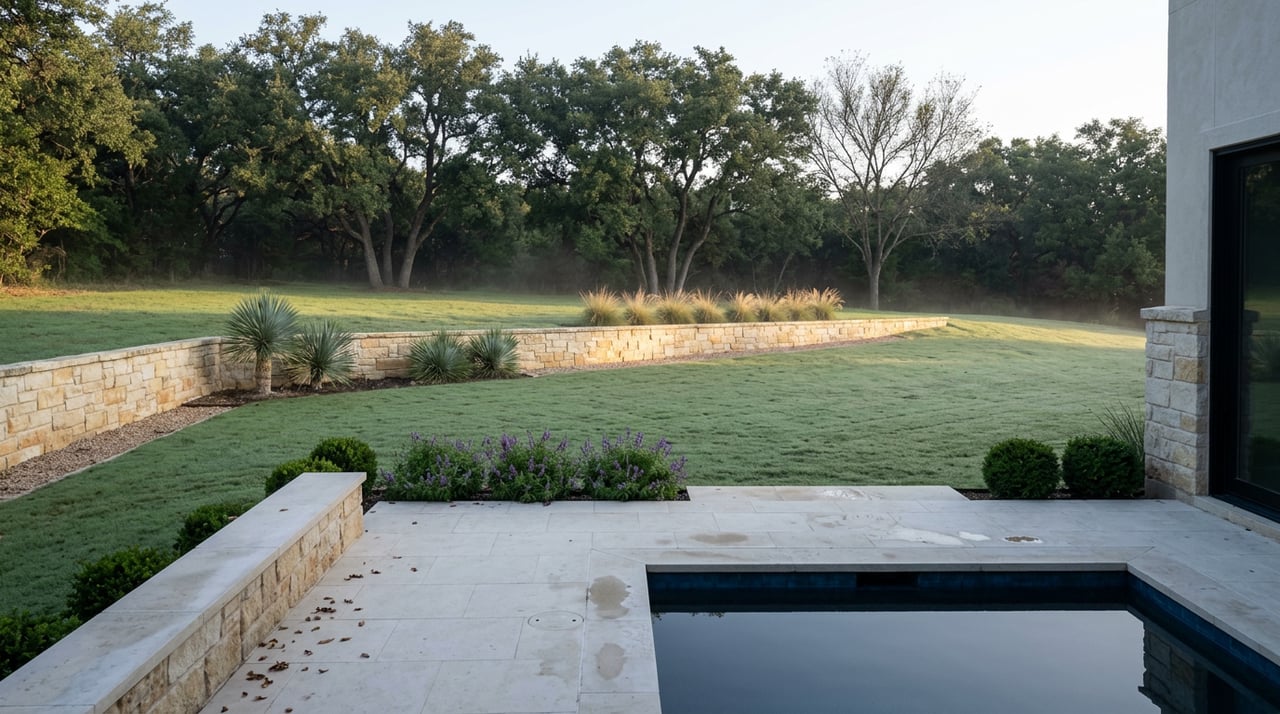
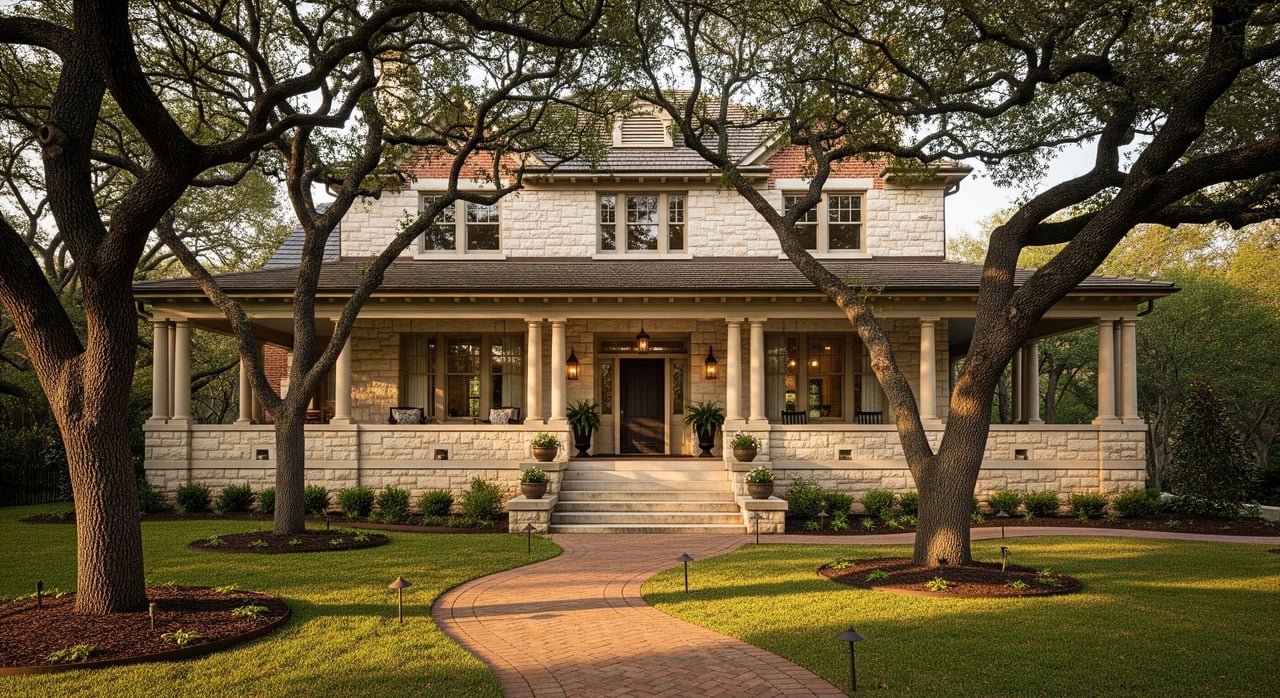
Lot sizes are modest to generous by urban standards, and many streets are shaded by live oaks and established landscape beds. Stone retaining walls, terraces, and masonry site features appear throughout, giving the area a cohesive, crafted look that is typical in central Austin’s older districts.
How the neighborhood took shape
- Early 20th century: Initial plats and homes set the character, including setbacks, lot patterns, sidewalks, and the early canopy.
- 1920s–1940s: Core periods for many of the houses you see today, including Tudor Revival, Colonial Revival, and Craftsman-influenced bungalows.
- 1940s–1960s: Mid-century infill and alterations add Minimal Traditional and Ranch elements to side streets and select parcels.
- 1990s–present: Restorations and additions become common, with occasional tear-downs replaced by larger builds. Many owners aim to keep streetscape continuity while updating for modern living.
Architectural styles you will see
Tudor Revival
Steeply pitched, front-facing gables and asymmetrical facades are common Tudor cues. You may notice decorative half-timbering, shingled gables, and tall, prominent chimneys that sometimes feature corbelling. Windows often appear as narrow verticals or grouped casements. Brick, stucco, and painted wood trim are frequent materials.
Colonial Revival
Look for symmetry, centered front entries, and multi-pane double-hung windows. Entries may have pediments or small columned porches with restrained classical details. Brick or wood siding is typical, with simple trim and balanced proportions that give these homes a quietly formal presence on the block.
Craftsman and Bungalow
Craftsman-influenced bungalows often feature low-pitched roofs, wide eaves, and exposed rafter tails. Front porches are a hallmark, frequently full or partial width, with tapered piers of brick or stone. Wood siding and handcrafted details emphasize texture and scale at the pedestrian level.
Spanish, Mission, or Mediterranean notes
Though less common, you will see stucco walls, red tile accents, or arched openings on select homes. These touches add variety without overwhelming the neighborhood’s overall character.
Minimal Traditional and Ranch
Post-1940s infill introduces simplified forms and single-story layouts. Minimal Traditional homes reduce ornament and keep compact proportions. Ranch houses read more horizontal, with broad rooflines and car-forward layouts on some lots. These homes often appear where smaller structures were replaced or where later plats were built out.
Streetscape elements
Mature canopy trees create a unifying backdrop and shade the sidewalks. Masonry retaining walls, stone steps, and terraces reinforce the neighborhood’s topography and craftsmanship. Consistent front setbacks support rhythm along each street, helping new and old homes feel connected to one another.
Preservation and renovation essentials
What protections may apply
In central Austin, tools like local historic districts, individual landmark designations, and related city code provisions can affect exterior changes. Where these apply, street-visible work often requires review and may need a Certificate of Appropriateness. Neighborhood associations and conservation overlays can also influence expectations, even when not legally binding.
Every property is unique. Before you plan changes, confirm whether any local overlay or designation applies to your address. Interior work that does not alter the exterior is generally less regulated, but larger projects that change rooflines, massing, or primary materials can trigger review.
What typically needs review
Street-visible exterior changes are the most likely to require oversight. This can include additions, roof and dormer changes, window pattern alterations, and cladding replacements. Demolition requests and major landscape changes affecting the streetscape may also be reviewed in areas with historic status.
Design-smart renovation principles
- Respect scale and massing: Keep additions subordinate to the original house. Set new volume to the rear when possible and step down rooflines.
- Preserve defining features: Retain porches, main window patterns, door surrounds, chimneys, and original front steps or stone elements.
- Choose compatible materials: Brick, wood siding, stucco, and local masonry tend to read well. Modern materials can work when texture, color, and proportion fit the original character.
- Compatible but differentiated: Allow new work to be legible on close inspection without competing visually with the original structure.
- Maintain site continuity: Follow historic front setbacks, protect mature trees, and keep driveways or garages from dominating the street view.
Energy and systems upgrades
You can improve comfort and efficiency while protecting character. Weather-strip and insulate where upgrades are not visible. Interior storm windows or historically sympathetic replacements can preserve original sash profiles. Conceal HVAC lines and place solar or other mechanical equipment where it is minimally visible from the street.
Project steps and timing
- Start early with city staff to confirm whether your project needs review or permits.
- Document existing conditions with photos and measured drawings before work begins.
- Engage a preservation-savvy architect or contractor who understands local review processes.
- Build time into your schedule for potential review cycles and conditions that may require revisions.
Buyer and seller guide
Key questions we hear
Are there restrictions on changes or demolition? It depends on the property’s designation status. Sellers should disclose any overlays or pending designations. Buyers should confirm requirements with city staff before planning significant changes.
Will historic context affect resale value? Strong neighborhood character can support premiums for buyers who value architectural authenticity. Others may prefer the flexibility to rebuild or alter extensively. The impact varies with buyer preferences and local demand.
Are there incentives for rehabilitation? Federal tax credits generally target income-producing properties, not owner-occupied single-family homes. Local incentives vary, so confirm current programs with city or state offices and verify eligibility before assuming benefits.
Inspection and maintenance watchlist
Older homes deserve thorough due diligence. Roofs, original windows, and exterior wood or masonry should be assessed for condition and weathering. Electrical systems may include older wiring types, and plumbing could feature galvanized components that need updating. Lead-based paint or asbestos-containing materials may be present in some homes, so include specialist inspections where appropriate.
Due diligence checklist
- Confirm year built and key data with county appraisal records, keeping in mind year-built entries can be approximate.
- Request any past Certificates of Appropriateness, permits, and renovation documentation from the seller.
- Order a comprehensive home inspection, plus specialists for roofing, foundation, structural, pest, and historic materials as needed.
- Consult city planning or historic preservation staff to verify any overlay status and required approvals for your project.
- Review neighborhood association materials if applicable for informal design guidance and community expectations.
Materials and landscape character
Local limestone appears in foundations, retaining walls, porch steps, and garden boundaries. Brick is common as a primary cladding material on period homes, often paired with wood detailing. These materials are durable and visually cohesive, which is why preserving them where feasible helps your project blend naturally.
Mature trees shape the experience of each street. Protect root zones during construction and plan utility runs or additions to avoid unnecessary disturbance. When you need to replace a failing wall, match height, coursing, and stone color as closely as possible to maintain continuity.
Planning additions with care
Rear and side additions tend to be most successful when they are scaled below the original roof ridge and pulled back from the primary facade. Keep the primary roof pitch and front massing intact where it informs the house’s identity. On sloped lots, consider stepping additions with the grade to limit the perceived height from the street.
Window design matters. Maintain the rhythm and proportions of primary windows on the front elevation. If you need larger openings for light at the rear, use muntin patterns and trim dimensions that relate to the original house. New garages or ADUs should be sited to minimize their presence in the primary view.
Selling a historic-era home
If you are preparing to sell, gather documentation that shows stewardship. Permit records, architect drawings, and before-and-after photos give buyers confidence. Small tune-ups on wood windows, masonry tuckpointing where needed, and refreshed landscape edges can go a long way.
Present the home’s character clearly. Highlight original features that remain intact and note any sensitive upgrades. Buyers who value authenticity respond well to homes where scale, materials, and craftsmanship have been respected.
Buying with a plan
Define your must-haves and where you are willing to restore. Many buyers accept a project if the facade, roof form, and porch remain intact. If you plan extensive changes, budget time for reviews and design iterations. Line up a team with historic experience early so you can move quickly when the right house becomes available.
How The Petri Group helps
You benefit from block-level guidance on architecture, condition, and approvals before you write an offer. Our team provides buyer and seller representation, curated pre-market and private opportunities, renovation and investment advisory, and concierge-level management from contract to close. We help you weigh feasibility, match you with the right professionals, and position your home or offer with confidence.
Ready to talk Pemberton Heights strategy? Connect with Leah Petri to receive exclusive listings and thoughtful guidance tailored to your goals.
FAQs
What defines Pemberton Heights’ architecture?
- A mix of early-20th-century styles, including Tudor Revival, Colonial Revival, Craftsman, plus selective mid-century Minimal Traditional and Ranch infill.
How old are most homes in Pemberton Heights?
- Many character-defining homes date to the early 1900s through the 1940s, with layered infill and renovations through the mid-century and recent decades.
Do I need approval to change the exterior?
- It depends on designation status; street-visible changes in protected areas often require review and may need a Certificate of Appropriateness.
How can I modernize without losing character?
- Keep additions subordinate, preserve porches and window patterns, choose compatible materials, and place mechanicals where they are minimally visible.
What inspections should I order for an older home?
- Comprehensive home inspection plus specialists for roof, foundation, structural, electrical, plumbing, pest, and potential lead or asbestos where relevant.
Are there tax credits for owner-occupied homes?
- Federal rehabilitation credits typically apply to income-producing properties; check with local and state offices for current programs and eligibility.
Written by Leah Petri, experienced Austin real estate advisor with The Petri Group at Moreland Properties, serving Central Austin, Zilker, Barton Hills, Bouldin Creek, West Lake Hills, Tarrytown, Rosedale, Bryker Woods, Rollingwood, and Lake Austin buyers and sellers.