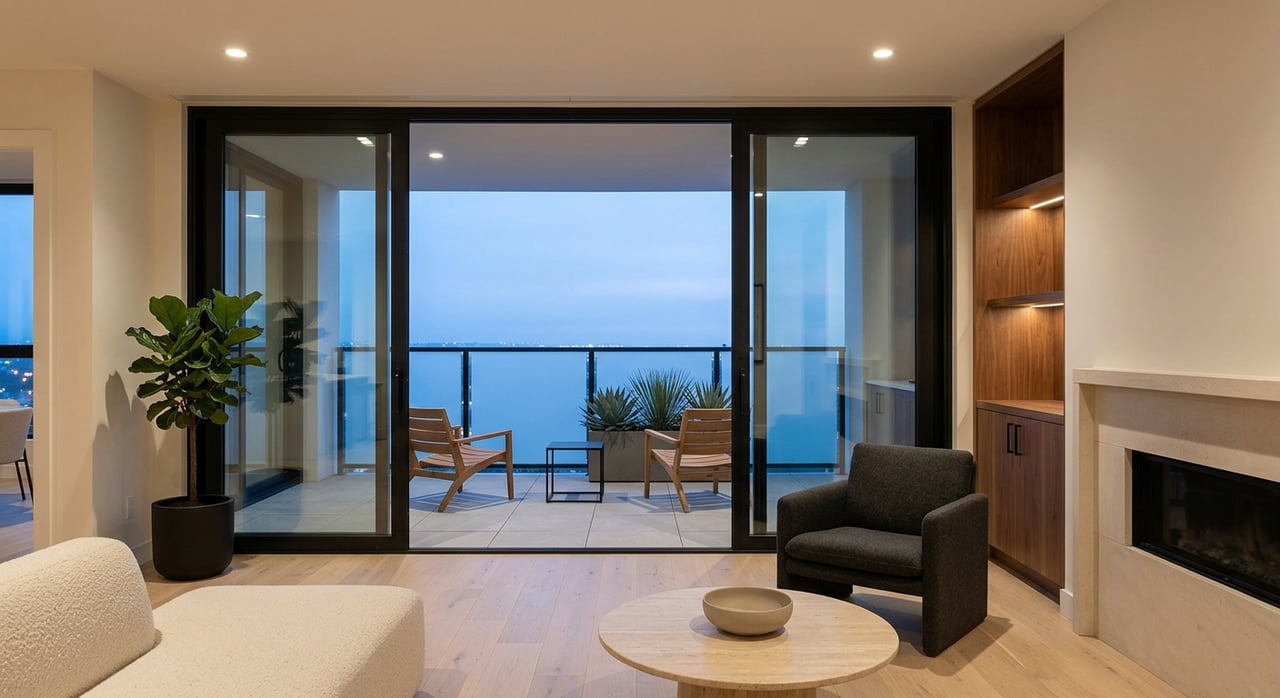
Picture yourself watching the sun set over Lady Bird Lake from your balcony, then heading downstairs for dinner and a quick walk home along Congress. Buying a luxury condo in Downtown Austin can deliver that lifestyle, but the smartest purchases are built on careful due diligence. You want comfort, convenience and long-term value, not surprise assessments or use restrictions. In this guide, you’ll learn how to read the 78701 market, vet associations, navigate short-term rental rules, confirm parking and EV options, and write a confident offer. Let’s dive in.
78701 market at a glance
Downtown Austin remains one of the city’s highest price-per-square-foot submarkets. Recent micro-reports show average sale prices and price-per-square-foot in the high-hundreds to low-millions in 2025, with inventory and months of supply rising in parts of 2025. You should expect variation by building, floor height and service level. Elliman’s Austin micro-report highlights these mixed signals.
What this means for you: use building-level comps, not broad city or zip medians, when you negotiate. A full-service, high-floor residence will price very differently from a mid-rise or an older conversion. Before you write an aggressive offer, confirm current inventory, recent closings and days on market in the specific tower you want.
Choose your tower style
Full-service trophy residences
These buildings position themselves around white-glove convenience. You’ll see 24-hour concierge, valet, private amenity decks, and sometimes hotel-style services. They market a lock-and-leave lifestyle that appeals to frequent travelers and second-home buyers. Verify which services are truly included in dues and which carry separate fees. If the tower is attached to a hotel, confirm what’s owner-only versus shared.
Lifestyle amenity towers
Many downtown towers offer robust amenities like fitness centers, pools, lounges and pet areas without the full hotel-style stack of services. These often have a larger unit count and more frequent resales. Review amenity access rules, hours and guest policies. Ask how the HOA budgets for maintenance and whether upgrades require special assessments.
Older conversions and value mid-rises
You may find a lower price per square foot with older buildings and conversions. Balance that savings against higher potential maintenance exposure. Look for documentation of recent or planned capital replacements for roofing, waterproofing, elevators and parking decks.
What to verify across all buildings
- Amenity exclusivity. Are amenities owner-only or shared with hotel guests or third parties? Shared spaces can affect noise, wear and overall experience.
- Parking rights. Are parking stalls deeded or just assigned by rules? Deeded or recorded limited common elements convey stronger rights than unrecorded assignments. Review storage and wine lockers as well, and whether there’s a waitlist. This parking guide explains the hierarchy.
- Developer control and warranty. In newer or still-declarant-controlled properties, confirm warranty terms, turnover milestones and declarant obligations under the Texas Uniform Condominium Act (TUCA). Review the chapter text in the Texas Property Code, Chapter 82.
Read the association like a pro
The health of the homeowners association is the single most important part of condo due diligence. Texas law gives you tools to evaluate it. TUCA requires a resale certificate with specific disclosures, and it gives you cancellation rights if you do not receive the required documents. Start there.
Priority documents to request
Resale certificate. Required by Texas Property Code §82.157. It must include the operating budget, balance sheet, assessments and transfer fees, approved capital expenditures for the next 12 months, unpaid assessments, management contact and more. If you do not receive required documents, TUCA provides a six-day cancellation window under §82.156. See the Texas Property Code, Chapter 82.
Financials and budget. Ask for year-to-date financials, the current operating budget and any recent accountant review or audit. Look for operating deficits and unusual line items.
Reserve study and balance. Request the most recent reserve study, the funding plan and current reserve balance. CAI underscores that current reserve studies and realistic funding plans are critical. Stale studies or thin reserves are red flags. Review CAI’s perspective on reserve studies and funding.
Minutes from board and owner meetings. Twelve to twenty-four months is ideal. Repeated contractor disputes, deferred maintenance, or frequent special assessments suggest strain. Texas law also sets record retention and access rules. See Section 82.114 on association records.
Insurance declarations. Confirm carrier, limits, deductibles, whether owners are named insureds, waiver of subrogation and whether the master policy is primary for overlapping losses. Ask about flood insurance for below-grade or common areas. TUCA addresses association insurance obligations in Chapter 82.
Management and service contracts. Review the management agreement and long-term contracts, especially elevators, roofing and waterproofing. These drive recurring costs and reveal near-term projects.
Delinquency report and assessment history. High delinquencies can strain cash flow and trigger assessments. Review prior special assessments and how they were resolved. CAI’s guidance on funding is a useful benchmark for risk review. See reserve study and funding.
Governing documents. Read the declaration, bylaws, and rules and regulations, plus any amendments. These define unit boundaries, maintenance obligations, rental rules, pet limits and parking rights. TUCA provides buyer protections when required documents are not delivered. Review the Texas Property Code, Chapter 82.
How to spot red flags
- Reserve studies older than 3 to 5 years for a high-rise. CAI now recommends structural considerations be included and updated regularly. See CAI’s reserve study standards.
- Repeated or large special assessments, or borrowing to cover routine shortfalls. That often signals underfunding.
- Operating deficits greater than a quarter of annual dues without a clear plan.
- High owner delinquency, generally above 5 to 10 percent of annual receivables.
- Code enforcement notices, open permits for structural repairs or pending defect litigation. TUCA outlines disclosure and record-access obligations in Chapter 82.
Short-term rentals in downtown towers
If rental flexibility matters to you, understand both city rules and your building’s policies before you buy. Austin defines three STR types and requires licensing. Units inside multifamily and condo buildings are Type 3 STRs, which are subject to density caps and licensing rules. The City updated STR regulations in 2025, added operator responsibilities effective October 1, 2025, and required platforms to collect and remit City Hotel Occupancy Tax starting April 1, 2025. Review the City’s program details on Short-Term Rentals.
Even if the City permits a certain level of STR activity, your association may further restrict or ban short-term rentals through its governing documents. If STR income is part of your plan, get a written statement from the association about current STR policies, any caps, license requirements and whether the building has experienced STR-related enforcement or complaints. The safest time to confirm is before you finalize terms.
Parking, EV charging and lock-and-leave realities
Parking rights and guest access
Parking is not one-size-fits-all. Confirm how many spaces convey and whether they are deeded, recorded as limited common elements, assigned by rules or leased from a third party. Deeded or recorded rights are stronger and more lender-friendly than unrecorded assignments. Ask your title company to verify parking and storage in the deed or condominium regime documents. For a clear overview, read this primer on condominium parking control. Also review guest parking rules and any long-term garage leases that could affect access or HOA costs.
EV charging in multifamily
EV adoption is rising, but multifamily charging involves electrical capacity, metering and billing questions. Confirm whether the building already has chargers, how power is metered and who pays for panel upgrades. City or utility programs may offer planning help or rebates, and national guidance outlines best practices for multifamily installations. For perspective, see this overview on city-level strategies from the National League of Cities.
The cost of convenience
Lock-and-leave services like 24-hour concierge and valet are valuable if you travel often or prefer a hands-off lifestyle. That convenience usually shows up as higher HOA dues. Review which services are truly included in your monthly fees and which are billed a la carte. For context on who benefits most from this lifestyle, see industry commentary on lock-and-leave living.
Your pre-offer checklist
Use this short, prioritized list to frame your offer and contingencies:
Make the resale certificate a contingency. TUCA §82.157 outlines required content. If required documents are missing, you may have a six-day cancellation right under §82.156. Do not waive this lightly. Reference the Texas Property Code, Chapter 82.
Get current financials and the reserve study. Ask for year-to-date financials, the operating budget, reserve balance and the latest reserve study. If the study is older than three years, press for an update or quantify near-term capital risks. See CAI’s guidance on reserves and funding.
Review master insurance declarations. Confirm limits, deductibles, waiver of subrogation, whether owners are named insureds and whether the policy is primary for overlapping losses. Ask about flood coverage for common areas. See TUCA Chapter 82.
Read the last 12 months of board minutes. Look for structural repairs, vendor disputes or budget amendments. Request copies of major repair contracts to understand scope and timing. See association records access in Section 82.114.
Verify parking and storage rights in recorded documents. Ask the title company to confirm whether stalls and lockers are deeded or only assigned by rules. Review parking control best practices.
Confirm STR and leasing rules in the declaration. If STRs matter to you, obtain a written statement from the board or manager that outlines current policy, caps and any enforcement history. Check city requirements on Short-Term Rentals.
Obtain an estoppel letter if applicable. This should confirm any amounts due from the seller and any pending assessments that must be cleared for closing. See buyer protections in TUCA Chapter 82.
Consider a targeted building-systems review. For older towers or where minutes flag concerns, engage an engineer to review façade, waterproofing, parking deck and elevators. CAI recommends that structural considerations be part of reserve planning. See CAI’s reserve study standards.
Ask about upcoming capital projects and funding. Clarify how work will be paid for and whether special assessments or bonds are likely over your ownership horizon. See CAI’s funding guidance.
Work with a downtown specialist
A successful luxury condo purchase in 78701 comes down to building-level knowledge and disciplined document review. You want someone who can source on- and off-market options, price using tower-specific comps, and pressure-test HOA health before you commit. If you are ready to explore downtown, we would be honored to guide you with a discreet, white-glove process from search to settlement. Receive Exclusive Listings in Your Inbox and start your 78701 search with Leah Petri.
FAQs
What makes 78701 condo pricing different from other Austin areas?
- Pricing in 78701 reflects a high price per square foot, service levels and amenity packages, so you should rely on building-level comps rather than broad medians. See Elliman’s micro-report for context.
What is a Texas condo resale certificate and why does it matter?
- It is a required disclosure under TUCA §82.157 that includes budget, assessments, upcoming capital expenditures and more; if not delivered as required, you may have a six-day cancellation right. Review TUCA Chapter 82.
How do Austin’s STR rules affect a downtown condo purchase?
- Type 3 STR licenses apply to condo units and are subject to density caps and licensing; platforms must collect City HOT as of April 1, 2025, and operators have added responsibilities. Always confirm your building’s STR policy. See the City’s page on Short-Term Rentals.
How can you confirm parking rights and EV charging options before you buy?
- Ask the title company to verify deeded or recorded parking and storage, review guest rules, and confirm EV policies, metering and upgrade costs; see a primer on condo parking control and multifamily charging guidance from the National League of Cities.
What are signs of a healthy HOA budget in a high-rise?
- Current reserve study with an adopted funding plan, adequate reserves, no recurring operating deficits, reasonable insurance coverage and transparent minutes without repeated emergency assessments. See CAI’s reserve and funding guidance.